
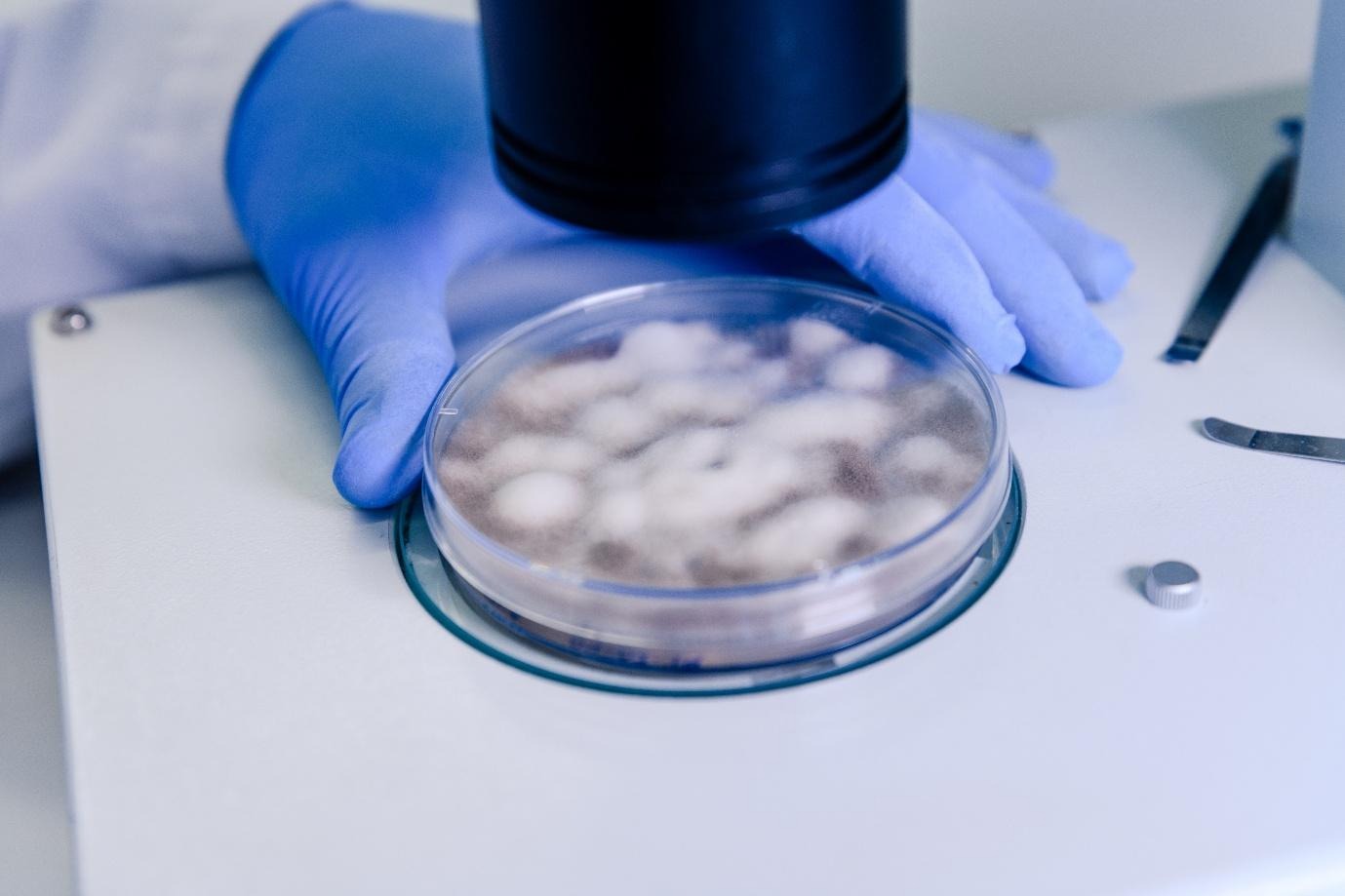
As a researcher in protein biology, I’ve always been on the lookout for tools that can make my workflow faster, more reliable, and reproducible. One of the standout innovations I’ve come across in recent years is Protein A magnetic beads. I want to share my firsthand experience with these beads, their applications, and why I now rely on them for antibody purification in my lab.
Why I Switched to Protein A Magnetic Beads
In traditional antibody purification methods, I often spent hours—or sometimes days—performing multiple centrifugation and washing steps using Protein A resins. While effective, these methods were prone to variability, especially when working with small sample volumes or multiple samples in parallel. I was constantly looking for a solution that could streamline the process without compromising purity or yield.
This search led me to Protein A magnetic beads, which combine the high specificity of Protein A for IgG antibodies with the convenience of magnetic separation. Unlike conventional columns or spin filters, magnetic beads can be quickly separated from the solution using a magnetic rack, eliminating time-consuming centrifugation and minimizing sample loss.
Understanding the Science Behind Protein A Magnetic Beads
Protein A is a bacterial cell wall protein from Staphylococcus aureus known for its strong affinity to the Fc region of immunoglobulin G (IgG). By coating magnetic beads with Protein A, manufacturers have created a tool that allows for highly specific antibody capture.
When I first used these beads, I noticed that they offered a significant advantage: I could process small volumes with the same efficiency as larger samples. The beads’ surface chemistry ensures strong antibody binding while maintaining activity, which is essential for downstream applications such as ELISA, western blotting, or functional assays.
My Workflow with Protein A Magnetic Beads
One of the reasons I now prefer Protein A magnetic beads is the simplicity of the workflow. Here’s a typical procedure I follow:
- Sample Preparation: I start with a clarified cell culture supernatant or serum. The sample should be free of particulates that could interfere with bead binding.
- Bead Equilibration: I equilibrate the beads in a suitable binding buffer. This step ensures optimal binding conditions for the antibodies.
- Incubation: I mix the beads with my sample and incubate them under gentle agitation. In my experience, even short incubation times yield excellent antibody capture, making the process faster than traditional methods.
- Magnetic Separation: Using a magnetic rack, I separate the beads from the solution. The supernatant is quickly removed, leaving the beads-bound antibodies behind.
- Washing: I perform a few washes to remove non-specifically bound proteins. Because magnetic separation is quick and gentle, I rarely lose antibodies during this step.
- Elution: Finally, I elute the purified antibodies using a low pH buffer. The eluted antibodies are ready for immediate use or storage, often maintaining high functionality.
Advantages I’ve Experienced
Using Protein A magnetic beads has brought several tangible benefits to my work:
- Speed: The magnetic separation process is rapid. What previously took hours now takes minutes, allowing me to focus on other experiments.
- Reproducibility: Every time I perform purification, I get consistent yields and purity, which is critical for experiments that rely on precise antibody concentrations.
- Scalability: The same protocol works for small-scale and larger-scale purifications. I can process multiple samples simultaneously without needing multiple columns.
- Minimal Sample Loss: Because there’s no repeated centrifugation, I lose fewer antibodies, which is particularly valuable when working with precious samples.
- Ease of Automation: Magnetic bead workflows are compatible with automated liquid handling systems. I’ve set up high-throughput purification experiments with minimal hands-on time.
Comparing to Traditional Methods
When I compare Protein A magnetic beads to conventional Protein A resins, the difference is clear. Traditional columns require gravity or pressure flow, which can be inconsistent. Spin columns improve this but still rely on multiple centrifugation steps. Magnetic beads, however, eliminate these mechanical steps entirely.
I also noticed that the beads provide superior reproducibility across experiments. This consistency has been a game-changer in my lab, especially when generating data for publication. Knowing that my antibody preparations are reliable reduces variability in downstream assays, which is a huge confidence boost.
Tips for Maximizing Results
After several months of using Protein A magnetic beads, I’ve developed a few tips that maximize performance:
- Optimize Bead-to-Sample Ratio: Too few beads reduce yield, while too many beads can waste reagents. I’ve found that following manufacturer guidelines and then fine-tuning for my sample type works best.
- Gentle Mixing: Avoid vigorous vortexing. Gentle rotation or end-over-end mixing ensures even exposure of antibodies to the beads without denaturing them.
- Monitor pH and Temperature: Protein A-antibody binding is pH-dependent. I always check that my buffers are within the recommended range. Temperature also affects binding kinetics—room temperature works for most small-scale applications.
- Wash Carefully: While it’s tempting to over-wash to ensure purity, excessive washing can reduce yield. A balance between purity and recovery is key.
- Store Beads Properly: When not in use, I store beads in the provided storage buffer at recommended temperatures. This keeps them ready for immediate use and prevents degradation.
Applications Where I’ve Found Beads Invaluable
The versatility of Protein A magnetic beads has made them a staple in several areas of my work:
- Antibody Purification: My primary use is purifying IgG antibodies from various sources. The beads consistently provide high purity suitable for sensitive assays.
- Immunoprecipitation: I’ve used these beads to pull down target proteins efficiently, thanks to their strong antibody binding.
- High-Throughput Screening: When screening multiple antibody clones, the magnetic bead workflow saves enormous amounts of time.
- Diagnostic Development: For developing diagnostic assays, reproducible antibody preparations are critical, and these beads deliver that reliably.
Real-World Impact on My Lab Efficiency
Since integrating Protein A magnetic beads into my routine, I’ve noticed a significant improvement in lab efficiency. Tasks that used to monopolize my schedule now take a fraction of the time. More importantly, the results are reproducible, which reduces the frustration of troubleshooting experiments that fail due to inconsistent antibody preparations.
The reproducibility has also improved collaboration with colleagues. Sharing protocols and expecting similar results across different researchers is much easier with magnetic bead technology. The consistency in yields and purity makes joint experiments and cross-validation of results seamless.
Why I Recommend These Beads
From my perspective, Protein A magnetic beads are not just a convenience—they are an essential tool for modern laboratories. They allow me to focus on experimental design and data interpretation rather than tedious purification steps.
Their reliability, speed, and scalability make them suitable for both small academic labs and larger industrial settings. I’ve also noticed that they reduce the stress associated with antibody purification. Knowing that I can quickly obtain high-purity antibodies gives me confidence in my research outputs.
For anyone considering switching from traditional resin-based methods, I can confidently say that the investment in magnetic beads pays off in time saved and reproducible results obtained. The workflow is simpler, the yields are consistent, and the overall lab productivity increases.
Choosing the Right Protein A Magnetic Beads
Not all beads are created equal. When I was evaluating options, I looked for:
- High Binding Capacity: Ensures maximum recovery of antibodies.
- Uniform Bead Size: Facilitates consistent magnetic separation and reproducible results.
- Compatibility with Downstream Assays: Some beads interfere with sensitive assays; I selected those validated for a range of applications.
- Ease of Use: Pre-equilibrated or ready-to-use beads save prep time.
By selecting high-quality beads, I minimized troubleshooting and maximized the reliability of my results. The quality of the beads directly impacts the efficiency and reproducibility of antibody purification.
Final Thoughts
In my experience, Protein A magnetic beads are a transformative tool in protein research. They streamline workflows, reduce manual errors, and provide reproducible, high-quality antibody preparations. Whether you are working on basic research, diagnostic assay development, or high-throughput screening, these beads can make your life in the lab much easier.
The shift from traditional resins to magnetic beads has been one of the most impactful changes in my lab routine. I’ve gained precious time, improved reproducibility, and achieved reliable results across all my projects.
If you want to experience these benefits yourself, I highly encourage exploring Protein A magnetic beads. They are practical, efficient, and ultimately empower researchers to focus on what really matters—science and discovery.